What do you think of when you hear ‘Anti-poaching equipment’?
- Vehicles
- Cameras
- Drones
- K9 units
- Communication devices
- Wildlife collars
… And probably more!
Wow, that’s a lot of stuff, right? So many tools are needed to stay on top of the rampage of poaching. But one tool that often flies under the radar is the critical use of light aircraft such as helicopters and small planes for flights into game reserves.
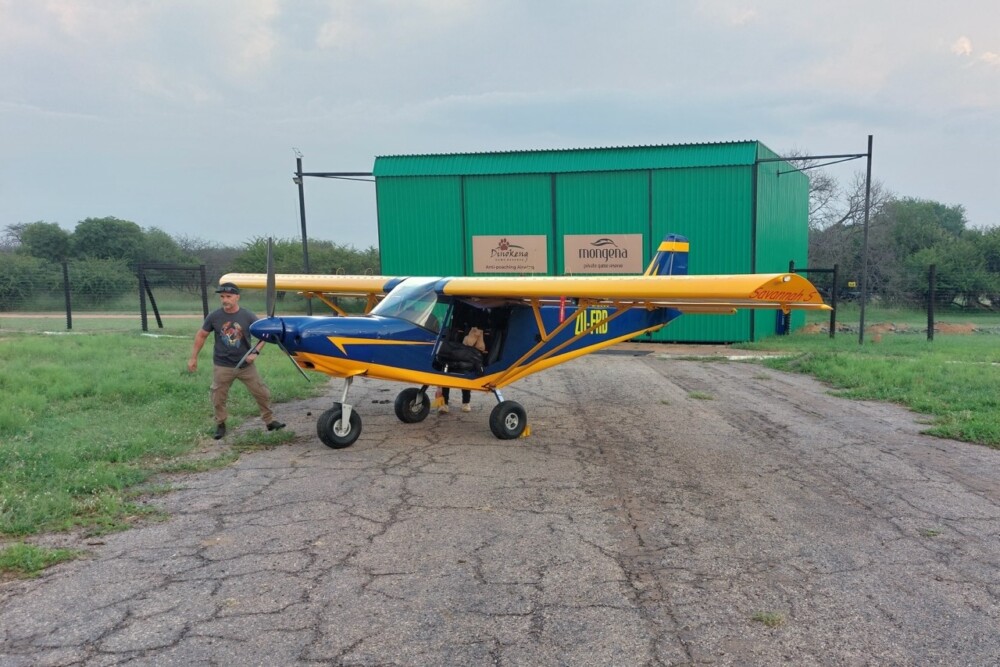
Since last year, we have been funding flights into Greater Kruger National Park for the Endangered Wildlife Trust because, while these trips are vital, they are also extremely costly.
We have been asked: Why not use drones instead? This is a very valid question, as on the surface it seems like they could do the same task of surveillance and ground cover at a fraction of the cost. However, there are some elements of light aircraft that are just irreplaceable.
A light aircraft is vital for various reasons that drones are unable to compete with:
- It can cover vast distances in a short space of time, while drones are limited by battery life and how far they can fly from the pilot on the ground.
- It can hold people to be deployed on the ground or carry a vet for darting, unlike a drone. In remote areas where road infrastructure is poor, this can sometimes be the only realistic way to get teams or vets to an animal quickly.
- The noise of a light aircraft is a very clear sign of patrol for poachers, acting as a guard dog. Drones are also noisy but much less so, and do not have the threat factor of transporting people that can immediately be deployed to catch poachers.
That does not mean drones are not valuable. They are an important additional tool, often used alongside aircraft to extend surveillance in specific areas and support broader coverage of the landscape. Some drones can operate at night and in wet weather, so monitoring can continue in conditions where aircraft are unable to fly. They are also particularly useful for keeping watch once a situation has been identified, giving teams clearer visibility on the ground. Thus, drones now play their own role in anti-poaching and are rather used alongside light aircraft to cover as many avenues for surveillance and protection as possible.
Light aircraft, on the other hand, have become an absolute necessity in anti-poaching efforts as poachers continue to adopt smarter and more effective strategies. They are no longer a “nice to have” tool, but a critical part of rapid response and protection work across vast and often inaccessible landscapes.
This year, we felt the need to bring the impact closer to home.
Where better to turn our attention than the game reserve the sanctuary is situated within, one that is fighting an anti-poaching battle of its own?
We haven’t spoken much about it with you, but Kevin has conducted aerial patrol flights over Dinokeng Game Reserve for some time now. More recently, however, these flights have become part of a more formal anti-poaching effort.
Oftentimes he is joined by Danelle Mostert, a wildlife monitor from Dinokeng, as they work together to keep an eye on the animals in the reserve. Other times he flies solo, maintaining contact with teams on the ground.

His trips have already made a huge impact, helping monitor wildlife, find lions whose trackers have broken, and even ward off poachers with emergency flights.


With all that said, in order for us to carry out these flights, we need the funds to cover them.
To put it in perspective, half an hour of flight time can cost around $300, depending on the aircraft. It is a heavy burden to keep those crucial eyes in the sky.
If you would like to be a part of making these flights happen, you can contribute at the link below:
Why We Fund Flights
So many tools are needed to stay on top of the rampage of poaching. But one tool that often flies under the radar is the critical use of light aircraft and flights into game reserves. We have been asked: Why not use drones instead? And this is a very valid question, as on the surface it seems like they could do the same task of surveillance and ground cover at half the cost. This article goes into the importance of light aircraft as well as some exciting news from the Foundation on the topic.
Ela’s Experience of a Lifetime
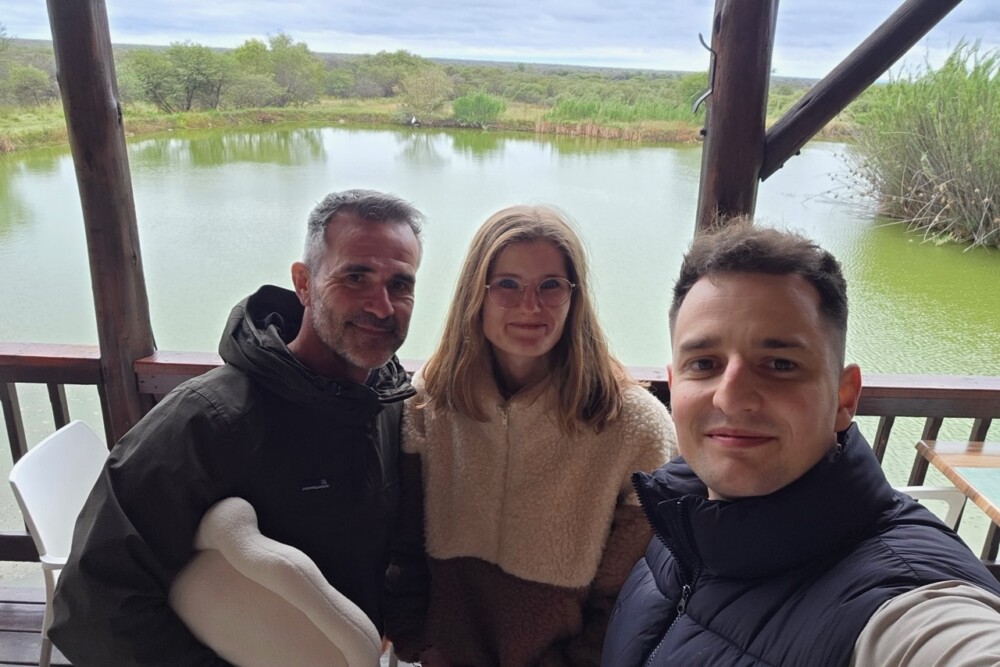
Wow! It is officially our FIFTH year hosting the winner of the GoodGood Giving competition! Time has flown, and over the years we've welcomed some incredible people through our gates. This year was a particularly special one with our winners from Poland: Ela and Stefan.
Raising a Generation of Wildlife Conservationists
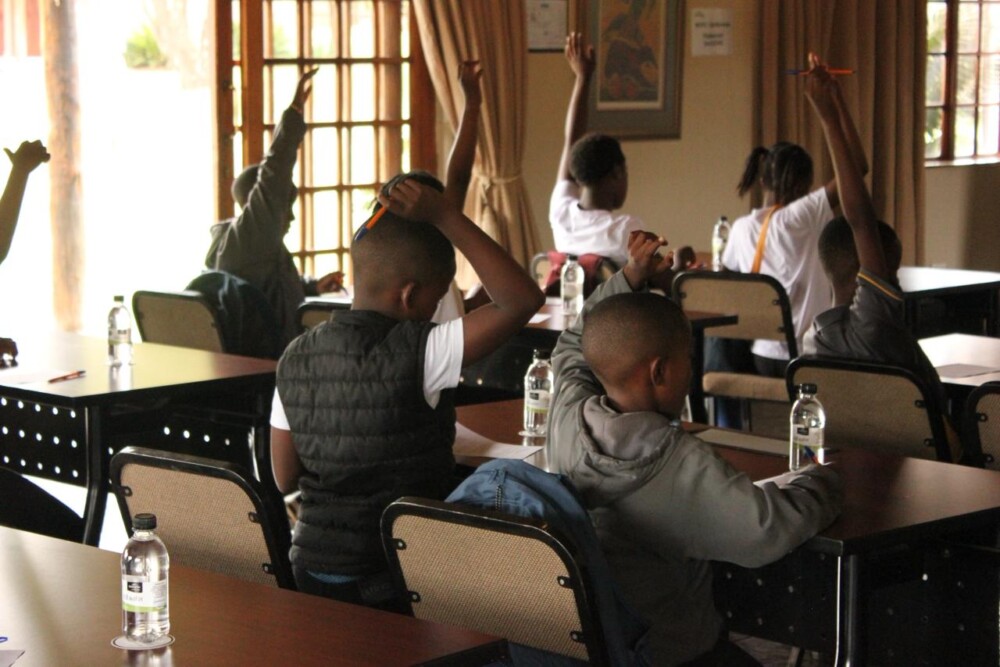
Do you remember when you first fell in love with wildlife? For many of us, a childhood experience sparked a lifelong appreciation for nature. But what happens when those opportunities don't exist? This year, we've taken an exciting new step. By expanding our partnership with Lessons in Conservation, we've launched our new and improved Cubs to Conservation Education Program.
Preparing Lions for Life in Dinokeng
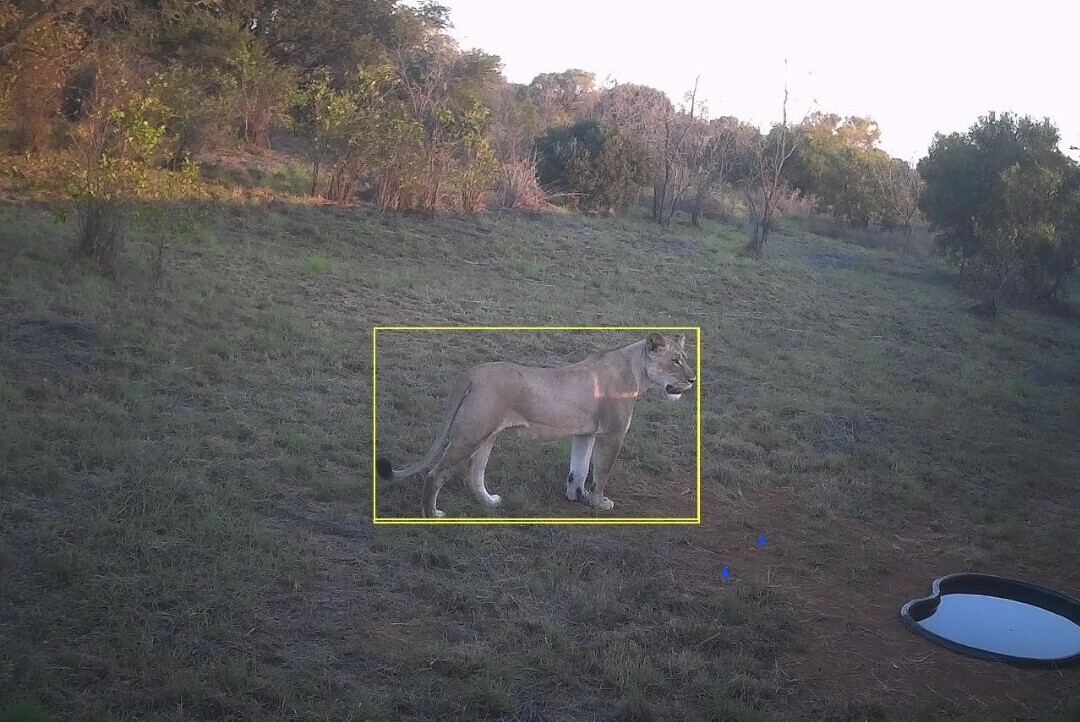
Knock knock! Who’s there? Some surprise visitors, you say? That’s right - recently we had two beautiful lionesses make a pitstop at the sanctuary on their way to being released into Dinokeng Game Reserve!
 info@kevinrichardsonfoundation.org