Do you remember when you first fell in love with wildlife?
Maybe it was a favourite animal, a family trip to a nature reserve, or a moment outdoors that sparked a sense of wonder. Whatever it was, those early experiences likely played a role in shaping how you see the natural world today.
Many of us have grown up with opportunities to learn about wildlife and form a bond with nature. But what if those opportunities never existed? If you never had the chance to understand the natural world, would you feel inspired to protect it?
As the quote goes that our founder Kevin often shares with his team:
“We only protect what we love, we only love what we understand, and we only understand what we are taught.”
― Jacques-Yves Cousteau
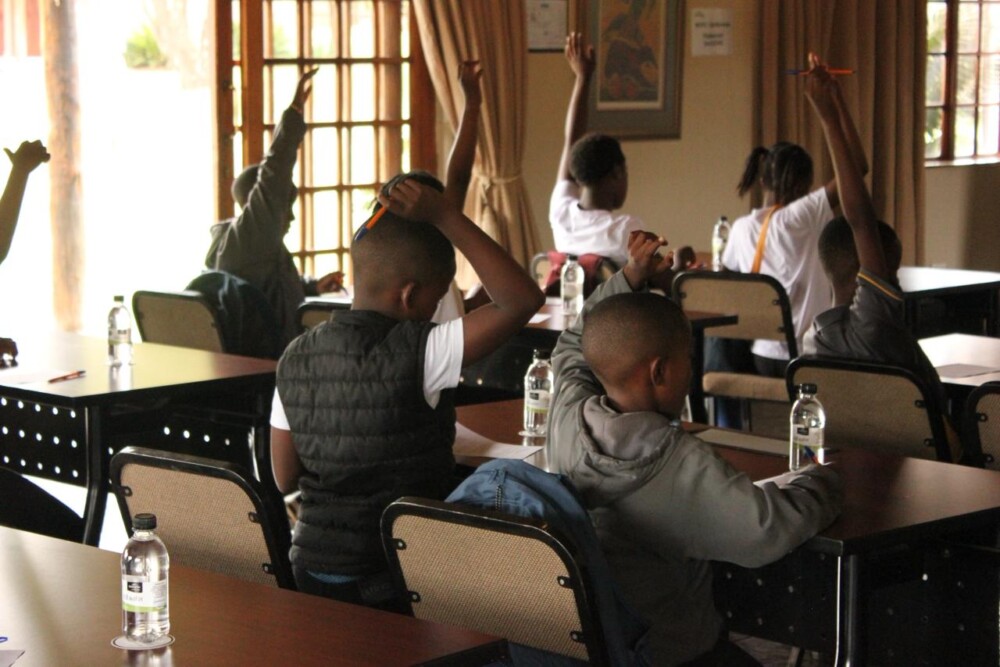
That’s why we put so much into our education programs. Our aim has always been to focus on communities living on the outskirts of game reserves, sharing our love for wildlife and nature in the hope that it inspires the same sense of wonder and appreciation in the next generation.
Since 2021, we have run our Big 5 Schools Collective program. In 2024, we expanded on this with our education program in partnership with Lessons in Conservation. We love both these programs and the impact we see them have in the lives of the children they work with.
However, we came to understand that these two programs, as amazing as they are, had gaps between them that needed to be bridged. Primary school children were being left out of the journey as we jumped from Early Childhood Development straight to high school.
And so, this year, we were finally able to take the next step in this process. We reworked our education program in partnership with Lessons in Conservation, making the entire process a more sustainable and in-depth one, as well as expanding it to primary school children!

Introducing our new program: Cubs to Conservation (C2C)
C2C now takes young learners on a journey, starting with wildlife and ecosystem workshops for primary school kids. From there, teens join our high school clubs where they work with conservation concepts while building skills like leadership, teamwork, and problem-solving.
The most promising participants are then selected for an immersive, hands-on reserve experience, getting up close with field ranger work, wildlife management, and careers in eco-tourism and hospitality. We also support our learners all the way through to further studies, helping them navigate bursaries and training opportunities so that conservation becomes a real and achievable career path.


What truly makes this program special is that it goes even further to invite back graduates as mentors, passing on their knowledge and passion to the next wave of young wildlife ambassadors.
It really does come full circle, and we couldn’t be more proud to be making it happen!
We will share more about this program and its impact as it progresses. For more immediate updates, feel free to follow us on our socials.
We believe strongly in this work and are, as always, incredibly grateful to our donors and partners for making our work possible. We thank you.
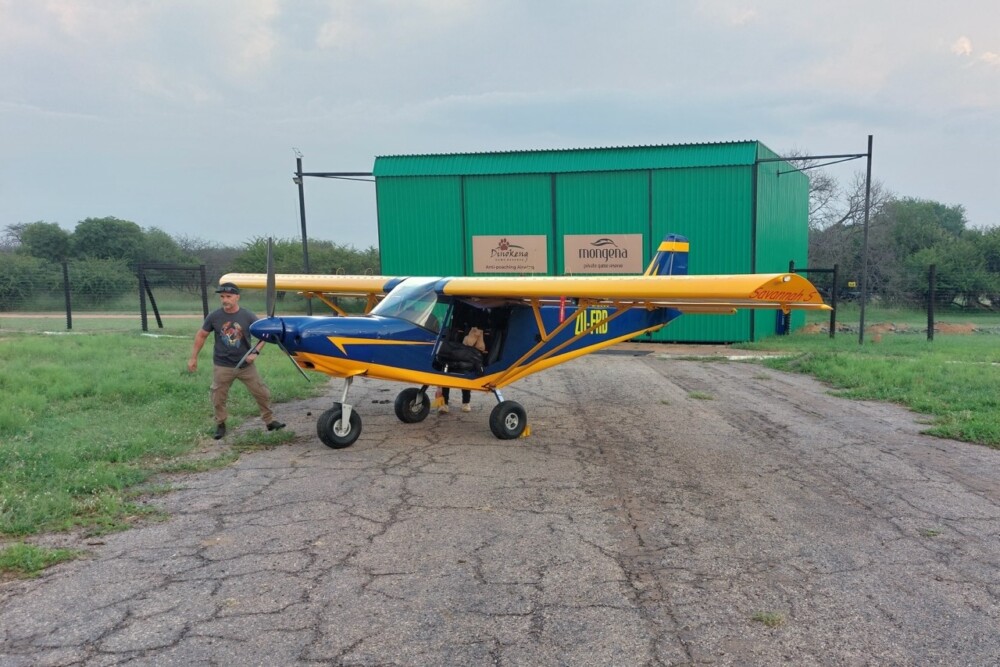
Why We Fund Flights
So many tools are needed to stay on top of the rampage of poaching. But one tool that often flies under the radar is the critical use of light aircraft and flights into game reserves. We have been asked: Why not use drones instead? And this is a very valid question, as on the surface it seems like they could do the same task of surveillance and ground cover at half the cost. This article goes into the importance of light aircraft as well as some exciting news from the Foundation on the topic.
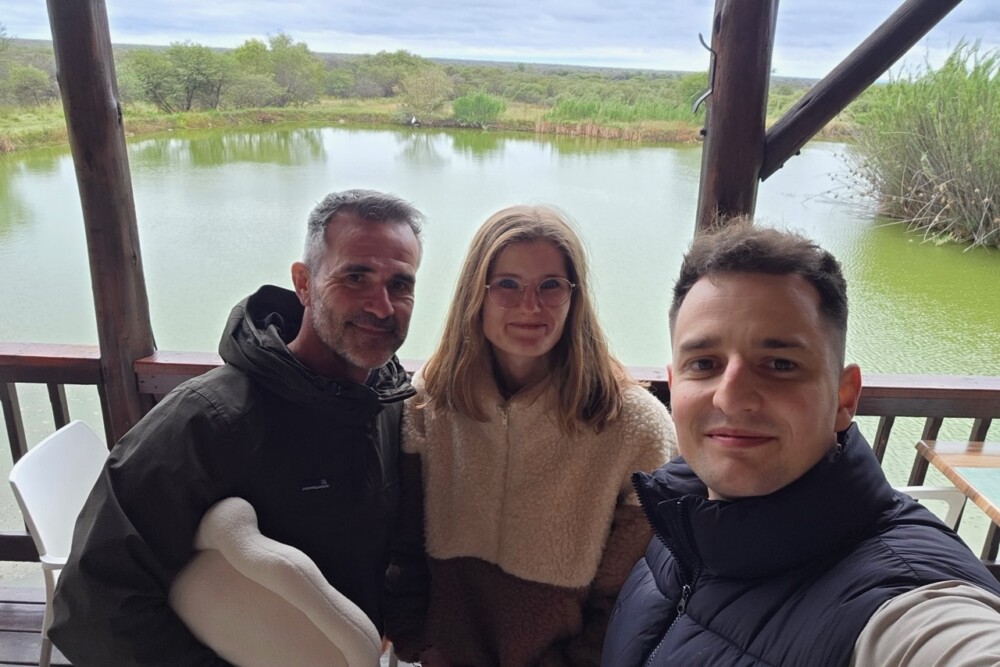
Ela’s Experience of a Lifetime
Wow! It is officially our FIFTH year hosting the winner of the GoodGood Giving competition! Time has flown, and over the years we've welcomed some incredible people through our gates. This year was a particularly special one with our winners from Poland: Ela and Stefan.
Raising a Generation of Wildlife Conservationists
Do you remember when you first fell in love with wildlife? For many of us, a childhood experience sparked a lifelong appreciation for nature. But what happens when those opportunities don't exist? This year, we've taken an exciting new step. By expanding our partnership with Lessons in Conservation, we've launched our new and improved Cubs to Conservation Education Program.
Preparing Lions for Life in Dinokeng
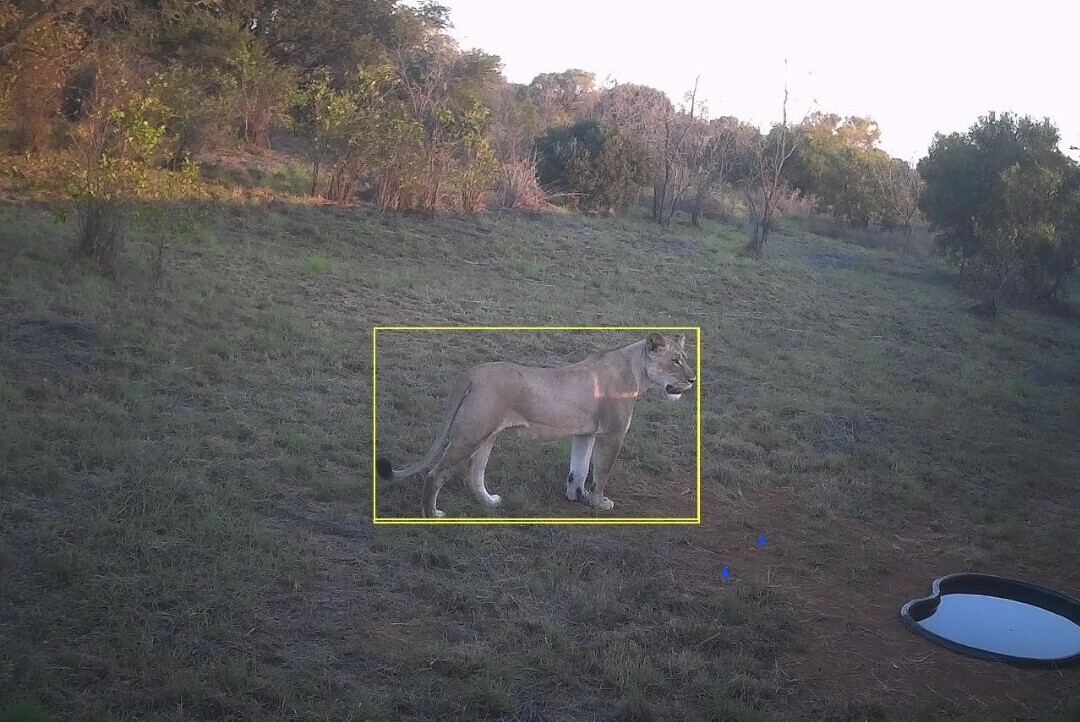
Knock knock! Who’s there? Some surprise visitors, you say? That’s right - recently we had two beautiful lionesses make a pitstop at the sanctuary on their way to being released into Dinokeng Game Reserve!
 info@kevinrichardsonfoundation.org