Knock knock! Who’s there? Some surprise visitors, you say?
That’s right – recently we had two beautiful lionesses make a pitstop at the sanctuary on their way to being released into Dinokeng Game Reserve!


This is not something that happens frequently, so we had to prep. Our team put together some changes to one of the enclosures to accommodate our guests, including screens along the fence for privacy, adding extra waterholes, and setting up camps:


However, even though it isn’t a recurring situation, the sanctuary is a prime spot for being used in this way, with its proximity to Dinokeng and our state-of-the-art enclosures at the ready. Relocating is not a simple task. As lions are incredibly territorial animals, acclimation is an important step that helps ensure they do not try to return to their previous home.
At first, the two lionesses were very shy and kept themselves hidden for the most part. But with time they have settled in, and it has been lovely to see their personalities start to show! For now, they will be staying with us until the time is right for their release into their new home.

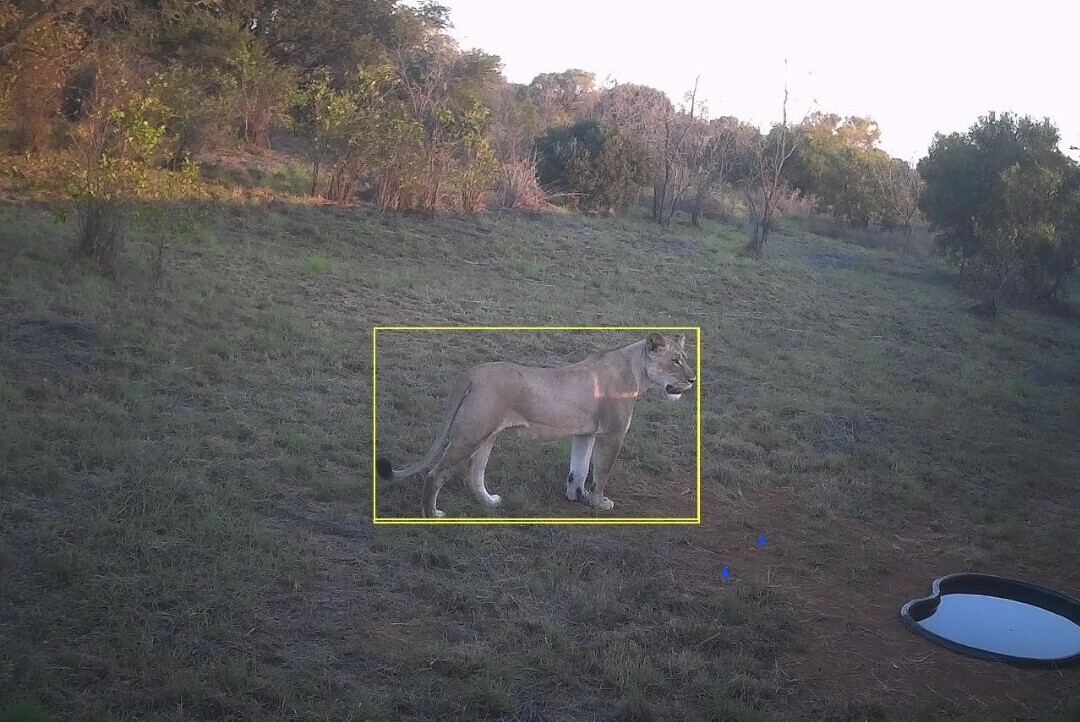

This acclimatisation period allows lions to recover from the stress of relocation, become familiar with their new surroundings, and adjust to the sights, sounds, and scents of the area.
The settling period also helps increase the likelihood that the lions will establish themselves successfully within the reserve once released. In this case, a male lion will be brought into an enclosure that shares a fence with these lionesses, in the hope of forming a new pride. To support this process, oxytocin will be administered by neuroscientist Jessica Burkhart to encourage social bonding and trust between the lions before all three are fitted with collars and released into the reserve.
While it may seem like a delay, this process is an important part of responsible wildlife management and helps give the lions the best possible chance of thriving in their new home.
In case you missed the subtle hint in this article (wink wink), our goal for the Foundation is to one day turn the sanctuary into a rehabilitation and rewilding facility, and this is the type of work it will be used for in future, among other projects such as our previous Miracle 8 cheetah rewilding. We are always thrilled when the opportunity arises for us to start working towards that vision.
This will potentially be even more of a necessity in the area if our plans to expand the land within Dinokeng Game Reserve come to fruition.
So, if any of you were wondering what is in store for the future of the sanctuary without its beloved animals: This is it. We won’t be stopping our work. We will only be adjusting it. And we hope to see you here with us when that time comes.
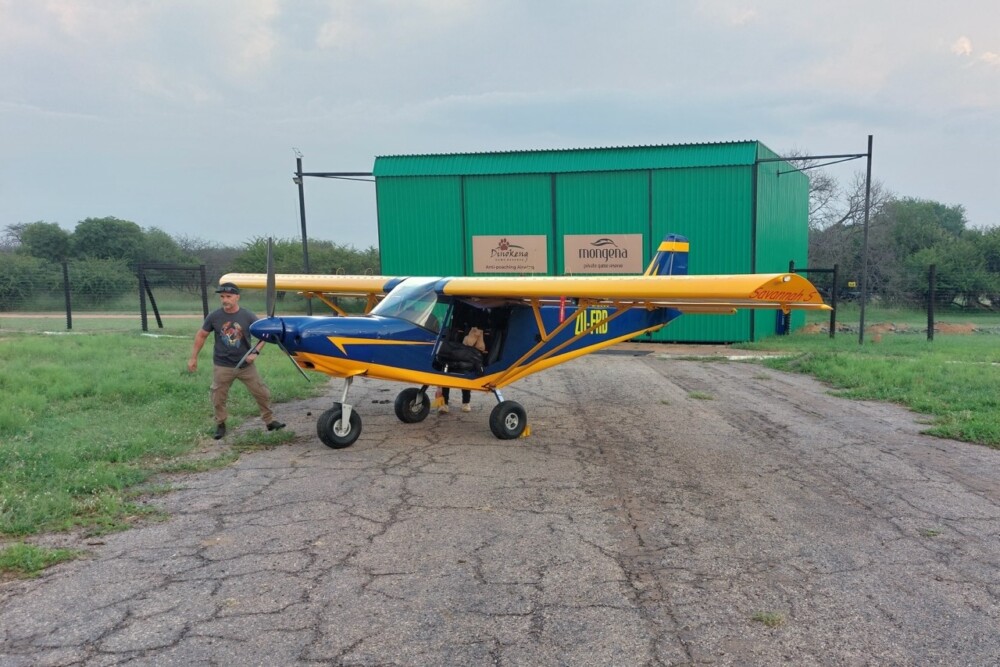
Why We Fund Flights
So many tools are needed to stay on top of the rampage of poaching. But one tool that often flies under the radar is the critical use of light aircraft and flights into game reserves. We have been asked: Why not use drones instead? And this is a very valid question, as on the surface it seems like they could do the same task of surveillance and ground cover at half the cost. This article goes into the importance of light aircraft as well as some exciting news from the Foundation on the topic.
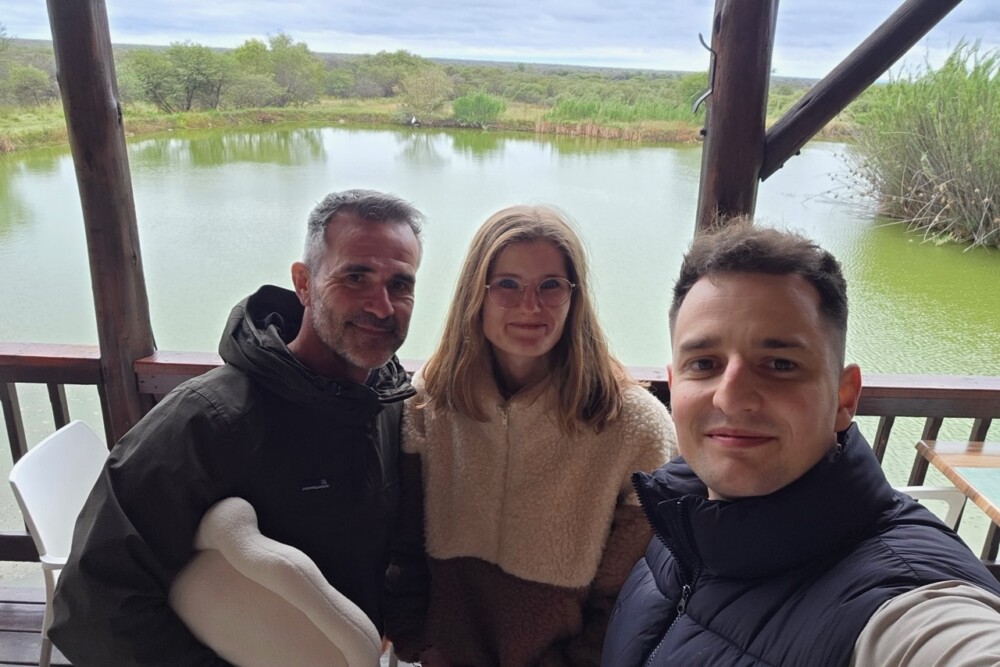
Ela’s Experience of a Lifetime
Wow! It is officially our FIFTH year hosting the winner of the GoodGood Giving competition! Time has flown, and over the years we've welcomed some incredible people through our gates. This year was a particularly special one with our winners from Poland: Ela and Stefan.
Raising a Generation of Wildlife Conservationists
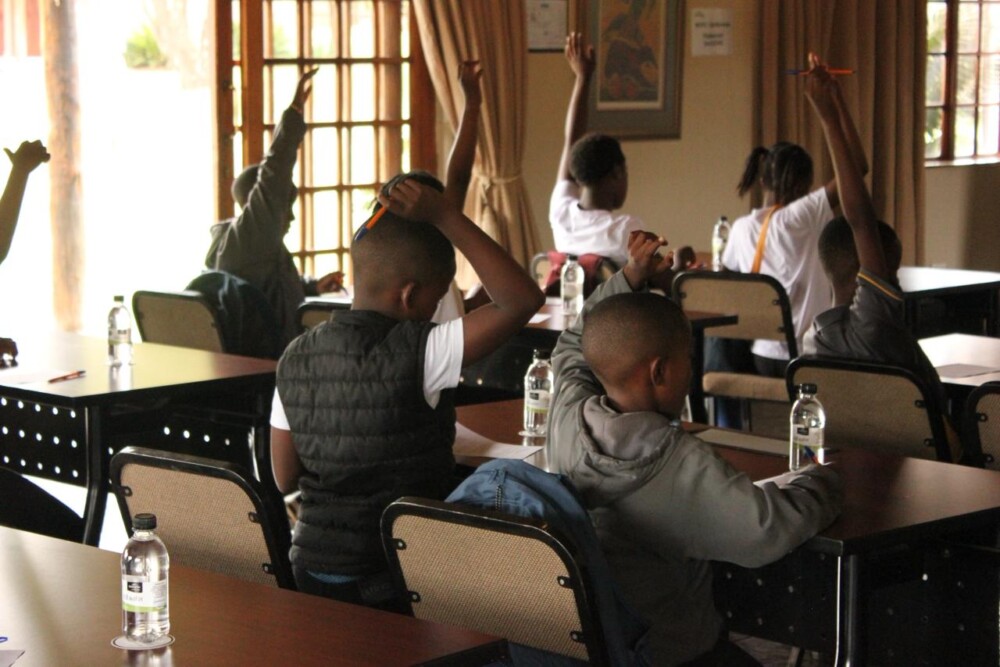
Do you remember when you first fell in love with wildlife? For many of us, a childhood experience sparked a lifelong appreciation for nature. But what happens when those opportunities don't exist? This year, we've taken an exciting new step. By expanding our partnership with Lessons in Conservation, we've launched our new and improved Cubs to Conservation Education Program.
Preparing Lions for Life in Dinokeng
Knock knock! Who’s there? Some surprise visitors, you say? That’s right - recently we had two beautiful lionesses make a pitstop at the sanctuary on their way to being released into Dinokeng Game Reserve!
 info@kevinrichardsonfoundation.org