When a friend sent our director, Caroline Edmonds, the Instagram account of a German family travelling across Africa in an expedition truck, she was intrigued.

Christian and Daniela Kraft, together with their three sons, Cedric (15), Bastian (13) and Colin (11), had taken a year away from their engineering careers at Mercedes in Germany to embark on what can only be described as an extraordinary adventure. The family voted unanimously to spend the year travelling through Africa and, with the support of their sons’ school, set off in a converted ex-military truck equipped with everything they needed to live on the road.
Their route would eventually take them through around 30 countries, from the deserts of Mauritania and Morocco to the rainforests of Cameroon and Congo, the mountains of Nigeria, and some of Africa’s most iconic wildlife destinations. And one of their many stops would turn out to be the Kevin Richardson Wildlife Sanctuary.


The family arrived at Tau Camp in their impressive expedition truck and settled in for a few days. Having spent months travelling across the continent, they were completely self-sufficient, carrying everything they needed for life on the road.
As the team got to know the family, it became clear that one of the most interesting parts of their journey was not simply where they had travelled, but what they had learned along the way.
One of the things that stood out most was how thoughtful the boys’ observations had become after months of travelling through Africa.
Like many visitors to the continent, Colin had expected to see wildlife everywhere:
“When we left Germany, I thought we’d see many more wild animals in Africa,” he wrote afterwards. “One of the main reasons we came to Africa was because of the amazing animals that live here. The reason we saw so few is that they are hunted. That’s why they need to be protected in national parks and game reserves.”
His older brother Cedric reflected on a similar lesson:
“I learned that many animals used to be poached or hunted, which is why many animals are now protected in national parks. But unfortunately, poaching still happens, even in parks, and I find that very sad.”
During their visit, the family spent time learning about the lions, hyenas and black leopards at the sanctuary, hearing the stories behind each animal and gaining a better understanding of the challenges facing wildlife conservation.
Bastian particularly enjoyed learning about the animals themselves and their individual histories:
“Caroline and Marné showed us all the animals, told us their names, where they came from, and their individual stories.”
The sanctuary quickly became one of the highlights of the family’s journey:
“It was so much fun to be here and watch the animals,” Bastian wrote.
“I know we are very lucky to be able to experience this and I am very, very grateful.”
The family’s travels had also exposed them to some of the realities facing wildlife across the continent. In several countries they witnessed wildlife being hunted for food and learned about the pressure facing species such as pangolins, which are still targeted for the bushmeat trade in some areas.
At the same time, they were encouraged to discover conservation initiatives in places where they had not expected to find them.
Christian admitted he had been surprised to see conservation projects operating even in some of the continent’s less developed regions:
“I was really positively surprised that even in countries like Senegal, The Gambia, or Congo, there are conservation projects ongoing. I had not expected that.”
The family’s conversations with the sanctuary team extended beyond wildlife. They spoke about the people they had met, the generosity they had experienced, and the perspectives they had gained through travelling slowly across such a large and diverse continent.
One observation from Christian particularly resonated:
“Many people were very poor, but even though they were poor, they were happy and satisfied. Many people in Europe are significantly richer, but not necessarily happier. Maybe we learned that you don’t need much to be happy together.”
When Caroline asked whether their time at the sanctuary had helped them better understand the connection between people and wildlife, Christian’s answer was encouraging:
“You get the feeling that the people here don’t only work here for the money. They work here because it’s their passion.”
He went on to explain that what stood out to him was the willingness of the team to share their knowledge and help visitors understand why conservation matters.
For the sanctuary team, that was particularly rewarding to hear. One of the most important aspects of conservation is helping people understand not only the animals themselves, but also the wider challenges facing wildlife and the people working to protect it.
What stood out most from the Kraft family’s visit was not simply the distance they had travelled, but the insights they had gathered along the way. After crossing almost 30 countries, the boys’ reflections repeatedly returned to wildlife, conservation, and the people they had met throughout their journey.

The family still has several countries left to visit before eventually returning home to Germany, and no doubt many more stories to collect. For a few days, however, their remarkable journey crossed paths with ours, providing a fascinating opportunity to hear their perspective on Africa, conservation, and the role that places like the Kevin Richardson Wildlife Sanctuary can play in helping people better understand both.
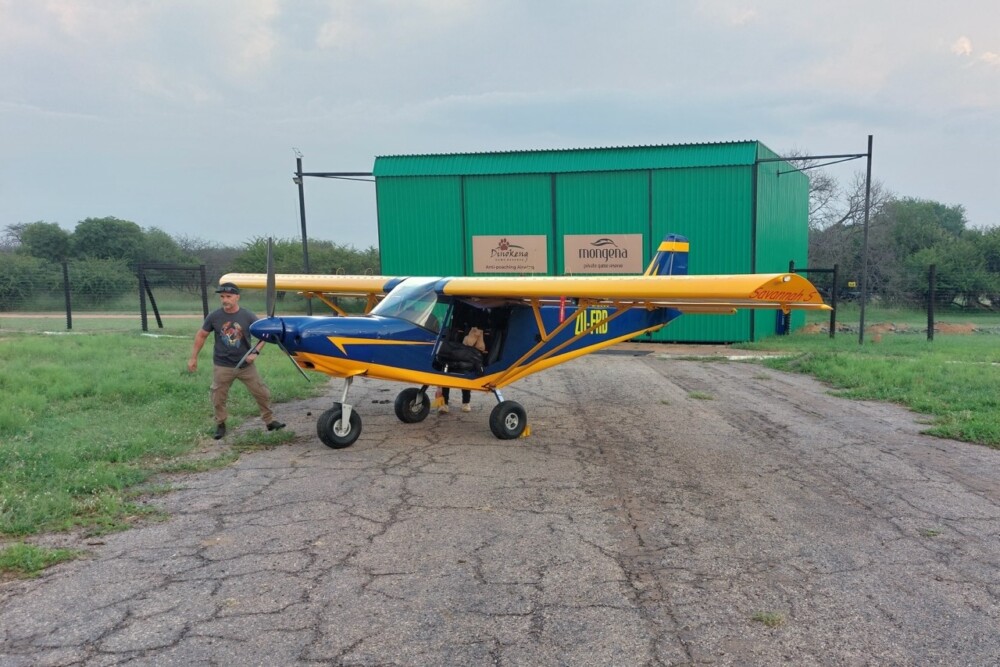
Why We Fund Flights
So many tools are needed to stay on top of the rampage of poaching. But one tool that often flies under the radar is the critical use of light aircraft and flights into game reserves. We have been asked: Why not use drones instead? And this is a very valid question, as on the surface it seems like they could do the same task of surveillance and ground cover at half the cost. This article goes into the importance of light aircraft as well as some exciting news from the Foundation on the topic.
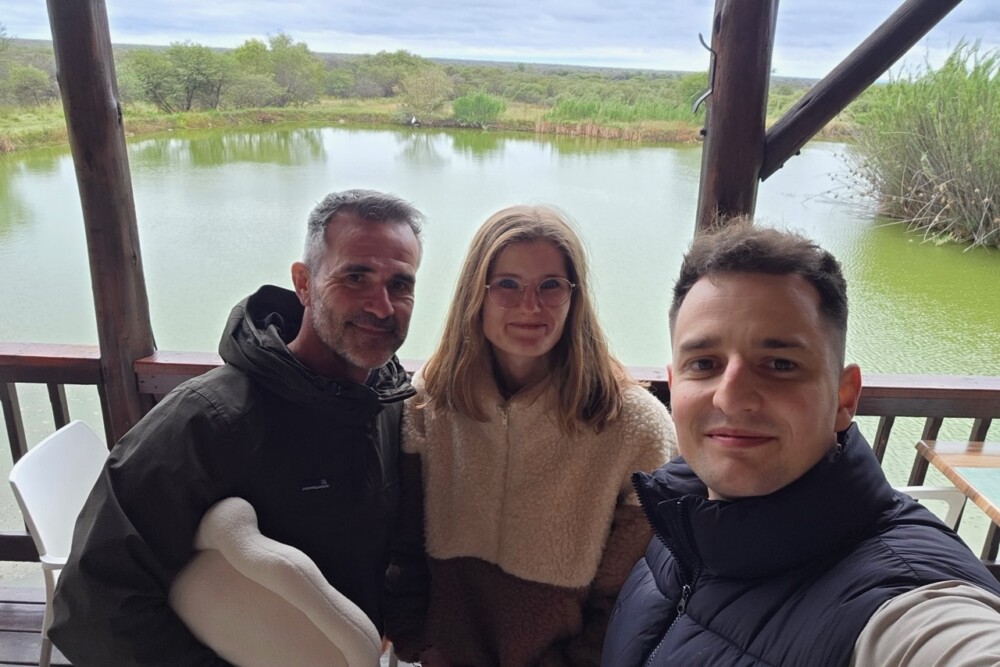
Ela’s Experience of a Lifetime
Wow! It is officially our FIFTH year hosting the winner of the GoodGood Giving competition! Time has flown, and over the years we've welcomed some incredible people through our gates. This year was a particularly special one with our winners from Poland: Ela and Stefan.
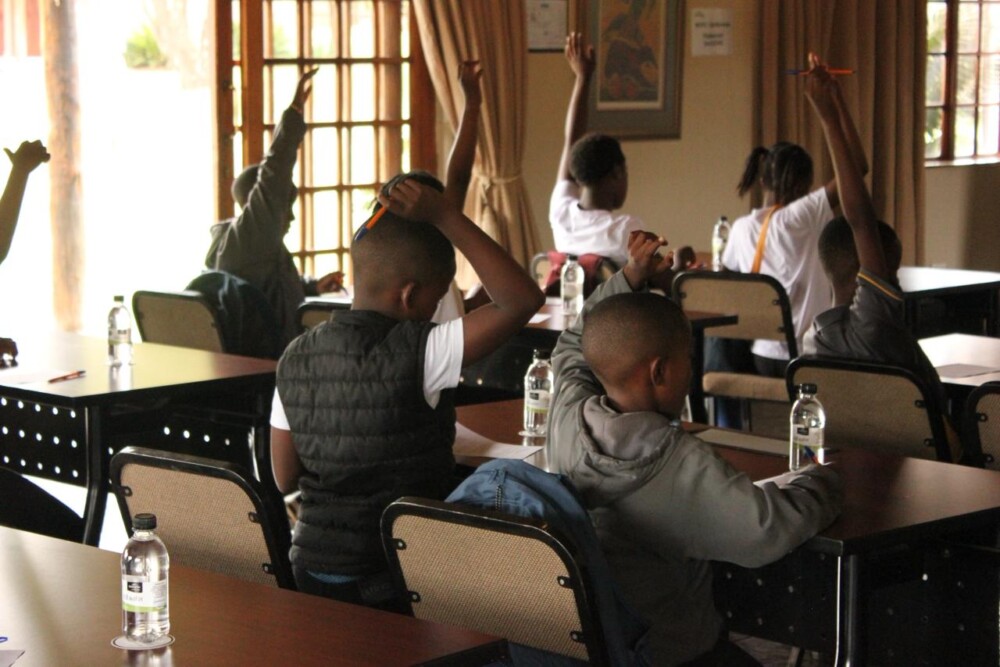
Raising a Generation of Wildlife Conservationists
Do you remember when you first fell in love with wildlife? For many of us, a childhood experience sparked a lifelong appreciation for nature. But what happens when those opportunities don't exist? This year, we've taken an exciting new step. By expanding our partnership with Lessons in Conservation, we've launched our new and improved Cubs to Conservation Education Program.
Preparing Lions for Life in Dinokeng
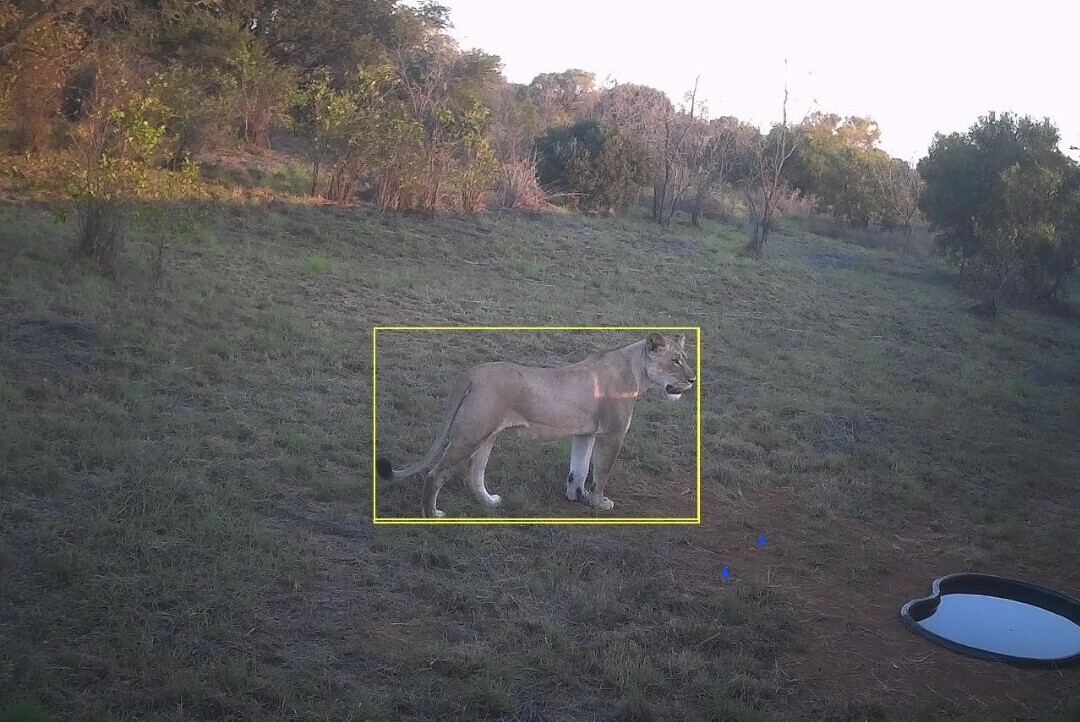
Knock knock! Who’s there? Some surprise visitors, you say? That’s right - recently we had two beautiful lionesses make a pitstop at the sanctuary on their way to being released into Dinokeng Game Reserve!
 info@kevinrichardsonfoundation.org