Poaching remains a persistent threat to wildlife, demanding sustained effort and resources.
Through the Threat Reduction in the Lowveld project, KRF partners with the Endangered Wildlife Trust to combat wildlife crime, particularly illegal hunting, in the Greater Kruger buffer zone. This work focuses on identifying poaching hotspots, maintaining a regular presence in these areas and systematically removing snares to protect wildlife.

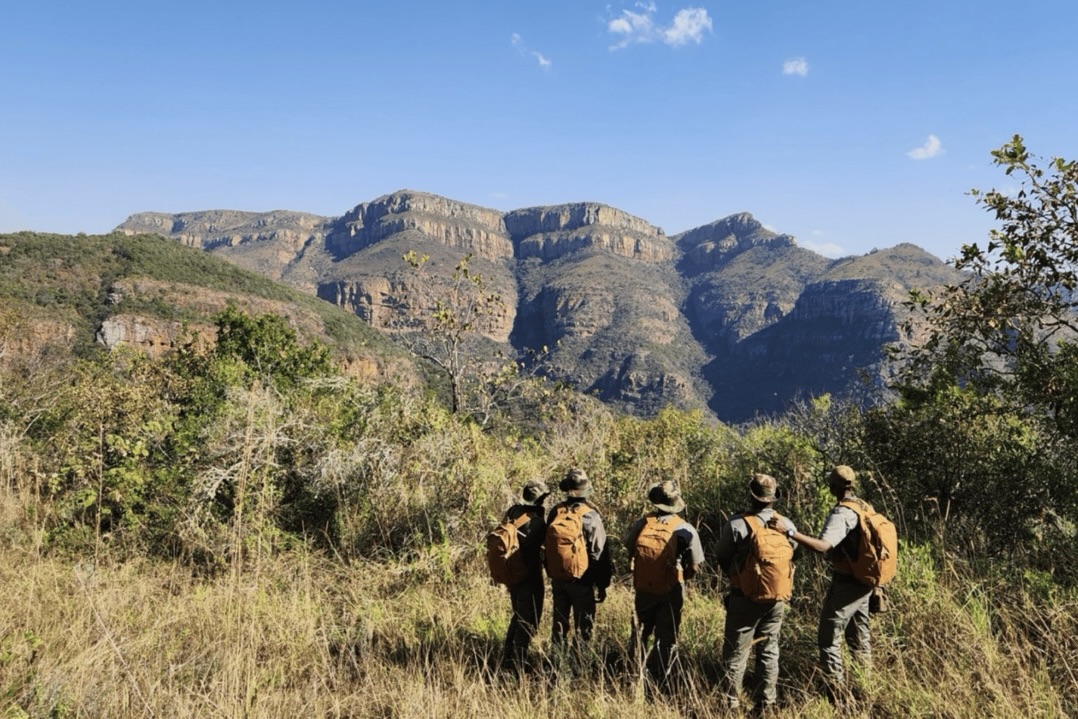
Amongst a large number of candidates, five individuals were carefully selected to lead the project and became known as the Frontier Rangers.
Once selected, the rangers underwent an intensive three-week training programme to prepare them for their roles. The programme was designed to provide them with a strong practical and theoretical foundation for their roles and to prepare them for the challenges associated with field-based conservation and threat reduction work.
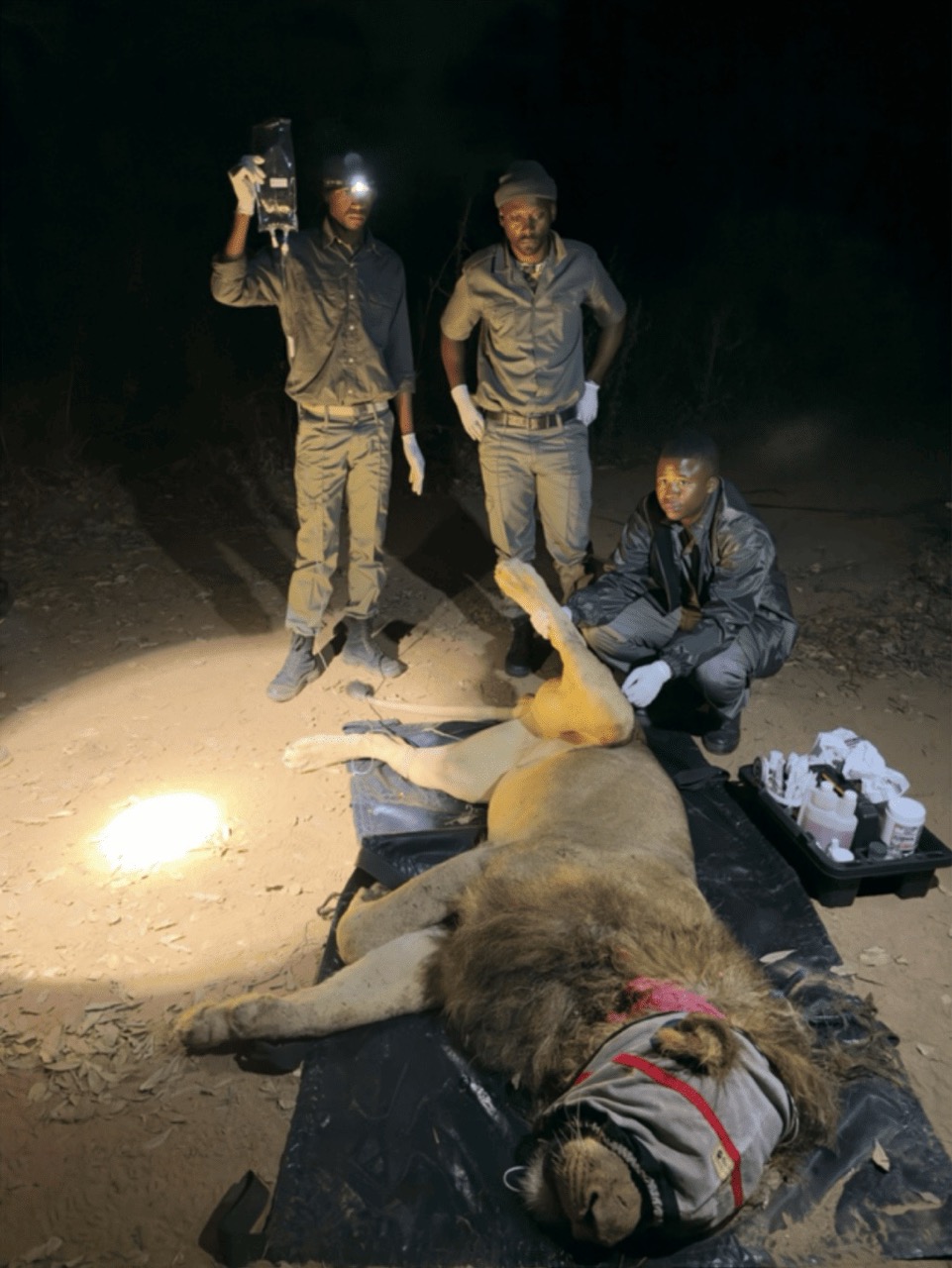

Not long into their training, a male lion from a neighbouring reserve went missing for approximately a week before being located with a serious snare injury. The reserve manager requested assistance from the rangers and a coordinated response was launched to find and immobilise the lion. It was found and successfully treated, reminding us that the work of rangers often means the difference between a life lost and a life saved.
Within their first 45 days of training the rangers the rangers actively removed over a hundred snares, identified two active and 12 inactive poaching camps and walked just under 150 kilometres.
While the fight against poaching brings heartbreaking losses, it is important to remember the lives that have been saved and the difference these efforts make. Every victory, no matter how small, is a reason to keep fighting.
We salute them for their dedication, a reminder that a future where wildlife thrives is built by people who choose, every day, to protect it.
On the Frontlines of Conservation
Poaching remains a persistent threat to wildlife, demanding sustained effort and resources. Through the Threat Reduction in the Lowveld project, KRF partners with the Endangered Wildlife Trust to combat wildlife crime, particularly illegal hunting, in the Greater Kruger buffer zone. This work focuses on identifying poaching hotspots, maintaining a regular presence in these areas and systematically removing snares to protect wildlife.

How have the temporary residents at the sanctuary fared?
If you missed the update in our last newsletter, we had two lionesses from Khamab Kalahari Reserve come stay at the sanctuary for a brief period before their transfer into their new home at Dinokeng Game Reserve. We then introduced the lionesses to a male lion, giving them time to bond and form a new pride before their release.

From two to six, cheetah cubs at the sanctuary have tripled!
We last updated you on the two cheetah cubs that we are rewilding: The Mystery Cubs. Since then, another litter of all-female cubs was sadly found orphaned in Dinokeng Game Reserve after their mother was killed by a lion. With more little ones in need of care, we had a decision to make. And just like that, the cheetah cubs crew grew by four!

Inspiring futures in conservation
Bongani is a driven young man that was selected from our Cubs to Conservation (C2C) education programme to receive a scholarship for a field guide training course with FGASA (The Field Guides Association of Southern Africa). He took part in the course this year and, in a short time, his life trajectory has completely shifted.
 info@kevinrichardsonfoundation.org