Here we are, in 2026! As we settle into a new year, we wanted to take a moment to look back and say thank you.
Truly. None of what we do happens without the support of our community, from donors and partners to the many people who quietly cheer us on. You make it possible for us to protect lions, support communities and keep conservation moving forward.
In the spirit of thanks, we wanted to share a snapshot of what you helped make happen in 2025.
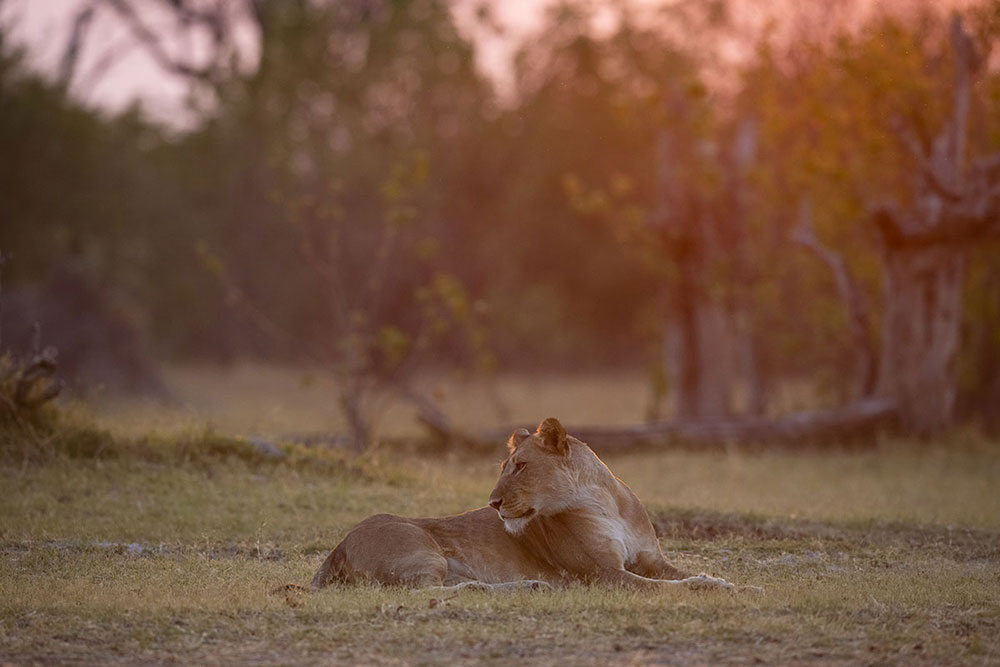
Standing with Lions and the Endangered Wildlife Trust
Our partnership with the Endangered Wildlife Trust’s carnivore division, continued to be a key part of our work in 2025.
More lions were fitted with tracking collars, supporting both anti-poaching efforts and research. The collars give conservation teams better insight into their movements and help guide protection decisions. Snares were also removed from the landscape, reducing injuries and preventing unnecessary suffering.
This year we further supported the expansion of aerial monitoring through helicopter flights, which allowed for better visibility and quicker response times for animals in trouble.
It is often the steady, behind-the-scenes work that needs the most funding. It is not always visible or glamorous, but without it, poaching would be far more widespread and wildlife far more vulnerable. Being able to support this kind of work matters deeply to us, and we remain grateful to play a role in keeping these protection efforts going.

Protecting Wildlife in Dinokeng
Protecting existing wild spaces remained a big part of our work in 2025, and we continued to provide Dinokeng Game Reserve steady support.
Throughout the year, we supported the Dinokeng Anti-poaching Units, helping strengthen patrol capacity and response times across the reserve. That consistent presence played a real role in reducing the number of animals lost to poaching, something that is never guaranteed and always worth protecting.
We also supported the Dinokeng Voluntary Rangers, who gave up their weekends to help where extra hands were needed. Their work included removing snares and clearing invasive plant species in the reserve.
Much of this work was not always visible, and it rarely came with recognition, but it was essential. Without it, the risks to wildlife would have been far greater, and being able to support these activities matters deeply to us.
Lessons in Conservation
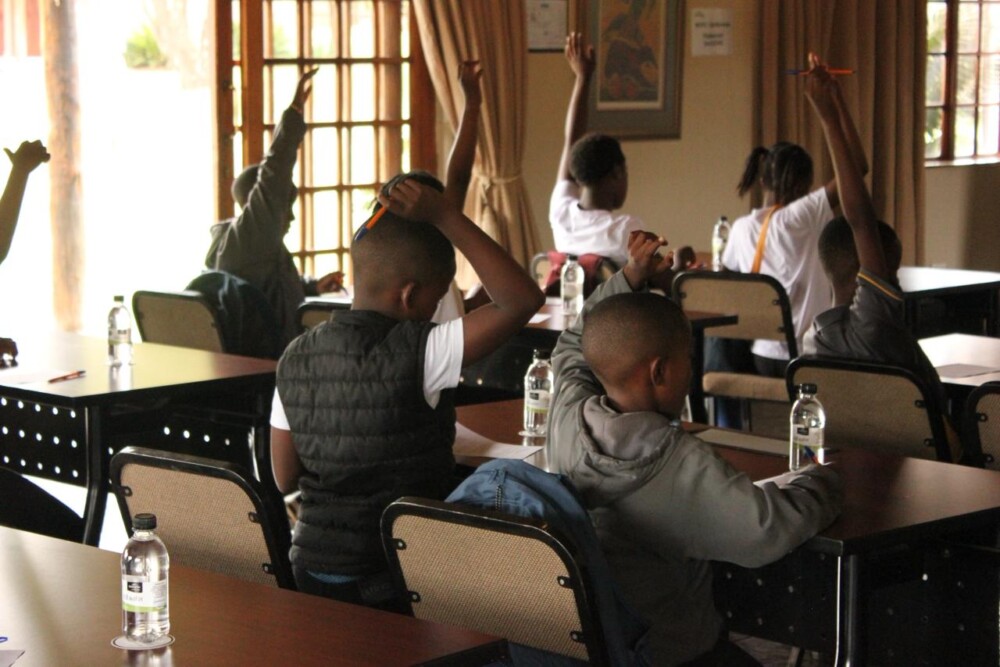
Our partnership with Lessons in Conservation continues to support learners who are starting to picture conservation as more than just a school subject, but as a real possibility for their future.
Through the program, students were introduced to wildlife management, field skills and the realities of working in conservation. Together with LiC, we also selected the 2025 FGASA (Field Guides Association of Southern Africa) bursary recipient, supporting a student taking meaningful steps into the sector. This bursary was funded in partnership with Craghoppers, and went to Bongani Mutileni from Ramotse Village in Hammanskraal.
As we move further into 2026, there is a real sense of momentum around Lessons in Conservation. The program is growing, evolving and being shaped into something even stronger, and we are incredibly excited about what is coming next. It is one of those moments where the groundwork has been laid and the next chapter is about to begin. We cannot wait to share more later this year.


A Big Year for the Big 5 Schools Collective
Education remains at the heart of long-term conservation, and 2025 brought some encouraging milestones.
The Big 5 Schools Collective reached 25 schools and 500 kids, engaging young learners through creative and conservation-focused activities. The year ended with children performing Big 5-themed plays, a proud moment that reflected both their learning and enthusiasm.

GoodGood Giving Campaign
Our annual GoodGood Giving campaign is still running and there is less than a month left to enter. The prize, for you and a friend, is just as exciting as ever: a round-trip flight to South Africa, a glamping stay at the Kevin Richardson Wildlife Sanctuary, a private conservation experience with Kevin, a luxury safari in Kruger, and a few days exploring Cape Town.
Our past winners have had an amazing time. You can watch footage from our last winner, Áron Besenyei, at his YouTube video here:
https://youtu.be/0dWBC4R18Wg?si=9payqr5SM8JXhGrg
While the prizes are amazing, the real impact comes from the entry proceeds. Every entry helps fund our anti-poaching patrols, education programs and hands-on conservation work across South Africa.
If you haven’t entered yet, don’t miss your chance. Your support keeps our work moving and gives you the chance to win an unforgettable experience.
NOTE: This competition has ended.
As 2026 unfolds, we are carefully exploring a number of promising opportunities that could further strengthen our long-term conservation strategy. While plans are still evolving, we are excited about the possibilities ahead and look forward to sharing more when the time is right.
Thank you for being part of this journey with us.
With gratitude,
The Kevin Richardson Foundation
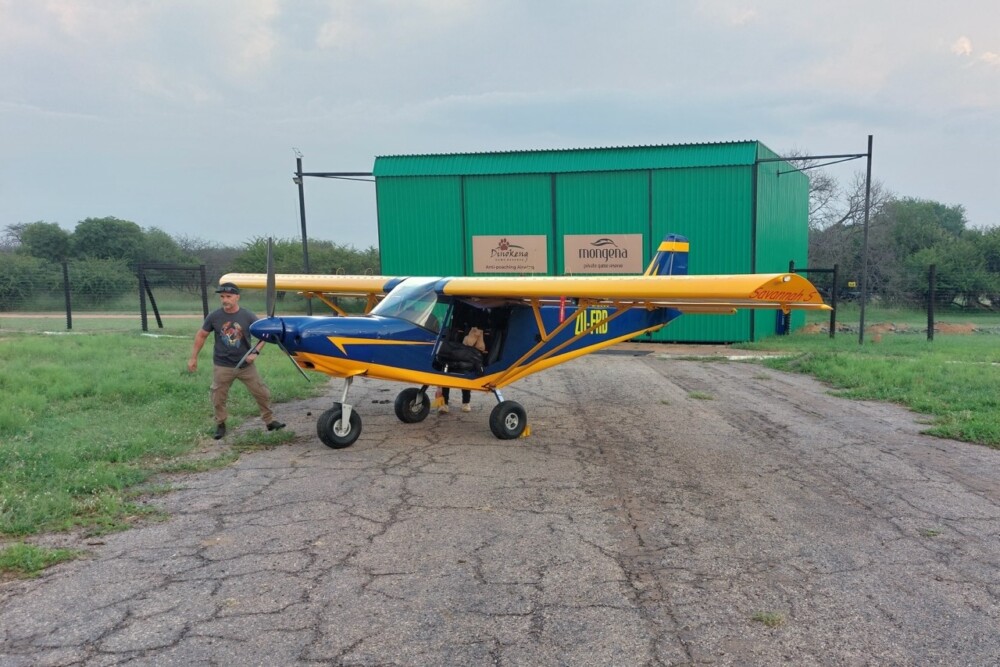
Why We Fund Flights
So many tools are needed to stay on top of the rampage of poaching. But one tool that often flies under the radar is the critical use of light aircraft and flights into game reserves. We have been asked: Why not use drones instead? And this is a very valid question, as on the surface it seems like they could do the same task of surveillance and ground cover at half the cost. This article goes into the importance of light aircraft as well as some exciting news from the Foundation on the topic.
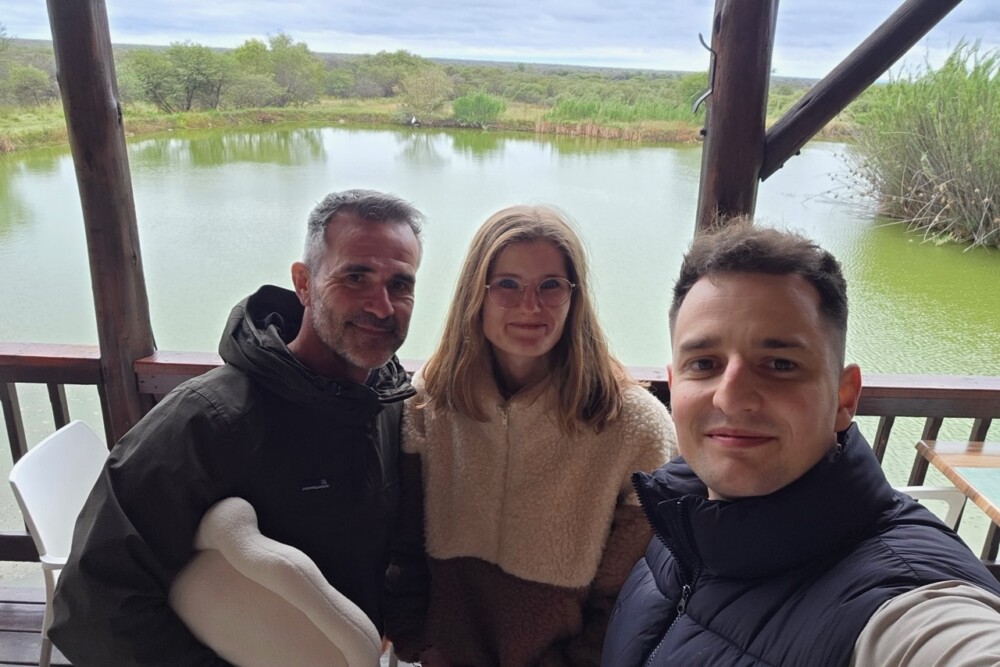
Ela’s Experience of a Lifetime
Wow! It is officially our FIFTH year hosting the winner of the GoodGood Giving competition! Time has flown, and over the years we've welcomed some incredible people through our gates. This year was a particularly special one with our winners from Poland: Ela and Stefan.
Raising a Generation of Wildlife Conservationists
Do you remember when you first fell in love with wildlife? For many of us, a childhood experience sparked a lifelong appreciation for nature. But what happens when those opportunities don't exist? This year, we've taken an exciting new step. By expanding our partnership with Lessons in Conservation, we've launched our new and improved Cubs to Conservation Education Program.
Preparing Lions for Life in Dinokeng
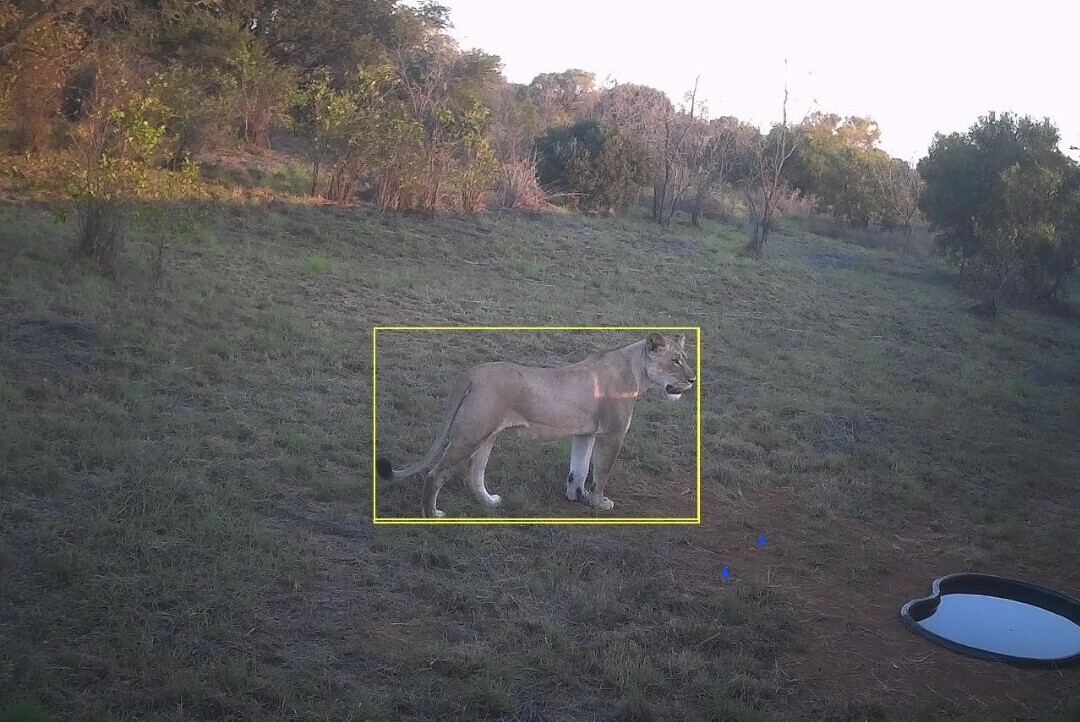
Knock knock! Who’s there? Some surprise visitors, you say? That’s right - recently we had two beautiful lionesses make a pitstop at the sanctuary on their way to being released into Dinokeng Game Reserve!
 info@kevinrichardsonfoundation.org